



DNA/RNA Synthesis
RNA synthesis, which is also called DNA transcription, is a highly selective process. Transcription by RNA polymerase II extends beyond RNA synthesis, towards a more active role in mRNA maturation, surveillance and export to the cytoplasm.
Single-strand breaks are repaired by DNA ligase using the complementary strand of the double helix as a template, with DNA ligase creating the final phosphodiester bond to fully repair the DNA.DNA ligases discriminate against substrates containing RNA strands or mismatched base pairs at positions near the ends of the nickedDNA. Bleomycin (BLM) exerts its genotoxicity by generating free radicals, whichattack C-4′ in the deoxyribose backbone of DNA, leading to opening of the ribose ring and strand breakage; it is an S-independentradiomimetic agent that causes double-strand breaks in DNA.
First strand cDNA is synthesized using random hexamer primers and M-MuLV Reverse Transcriptase (RNase H). Second strand cDNA synthesis is subsequently performed using DNA Polymerase I and RNase H. The remaining overhangs are converted into blunt ends using exonuclease/polymerase activity. After adenylation of the 3′ ends of DNA fragments, NEBNext Adaptor with hairpin loop structure is ligated to prepare the samples for hybridization. Cell cycle and DNA replication are the top two pathways regulated by BET bromodomain inhibition. Cycloheximide blocks the translation of mRNA to protein.
DNA/RNA Synthesis Isoform Specific Products
All Product Categories
-
DNA/RNA Synthesis Inhibitors
(1444)
View all products
-
DNA/RNA Synthesis Agonists
(11)
View all products
-
DNA/RNA Synthesis Antagonists
(2)
View all products
-
DNA/RNA Synthesis Activators
(43)
View all products
-
DNA/RNA Synthesis Modulators
(34)
View all products
-
DNA/RNA Synthesis Chemicals
(20)
View all products
-
DNA/RNA Synthesis Inducers
(15)
View all products
-
DNA/RNA Synthesis Degraders
(4)
View all products
-
DNA/RNA Synthesis Controls
(5)
View all products
-
DNA/RNA Synthesis Substrates
(6)
View all products
-
DNA/RNA Synthesis Ligands
(5)
View all products
-
DNA/RNA Synthesis Related Products (2889)
Related Products (2889)

-
Antibodies (248)
-
DNA/RNA Synthesis Isoform Comparison
-
Cysteinylglycine
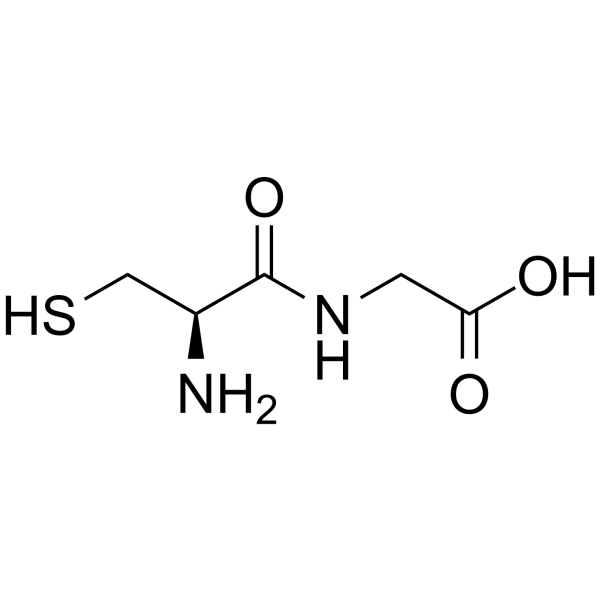 0 ImagesSynonyms: L-Cysteinylglycine; Cys-Gly; H-Cys-Gly-OHCysteinylglycine (L-Cysteinylglycine; Cys-Gly) is a dipeptide formed by the peptide bond linkage between cysteine (Cysteine) and glycine (Glycine). Cysteinylglycine is an important metabolic intermediate in the human body, mainly derived from the degradation of glutathione (GSH). Cysteinylglycine reduces ferric iron to ferrous iron, drives the redox cycle of iron, generates reactive oxygen species (ROS), stimulates oxidative reactions, induces lipid peroxidation of human plasma LDL lipoproteins, and causes oxidative damage to DNA bases. Cysteinylglycine can be used as a biomarker to evaluate ischemic heart disease, breast cancer and other conditions.
-
Tirapazamine
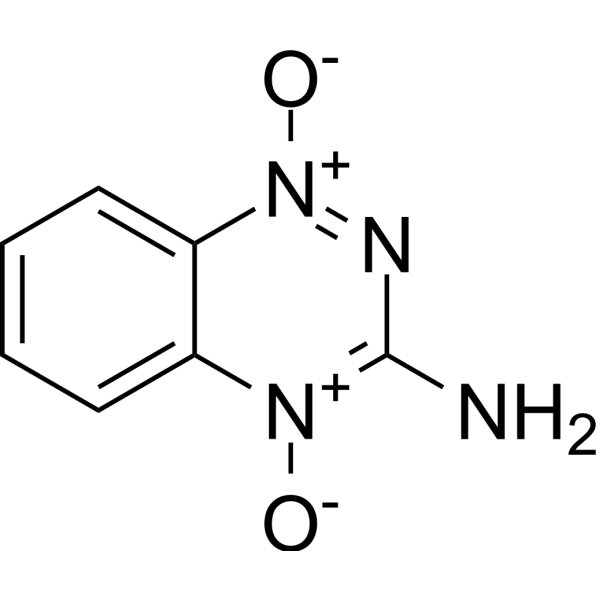 0 ImagesSynonyms: SR259075; SR4233; Win59075; SML 0552; SR 259075; TirazoneTirapazamine (SR259075) is an anticancer agent that shows selective cytotoxicity for hypoxic cells in solid tumors, thereby inducing single-and double-strand breaks in DNA, base damage, and cell death. Tirapazamine is an anticancer and bioreductive agent.Tirapazamine (SR259075) can enhance the cytotoxic effects of ionizing radiation in hypoxic cells.
-
Tetrahydrouridine
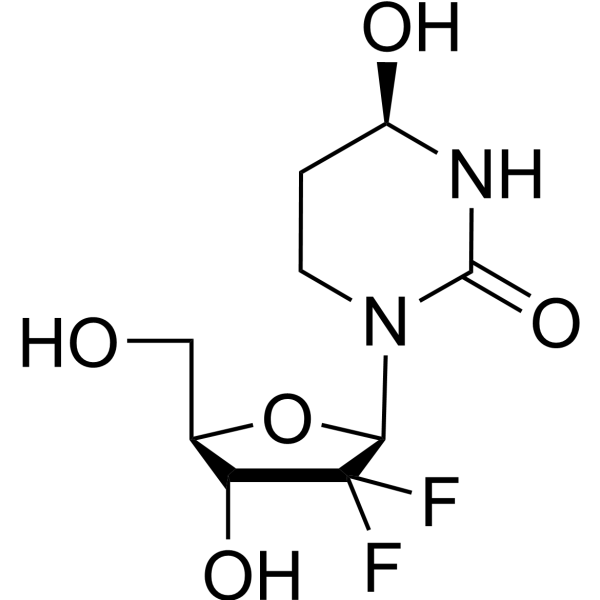
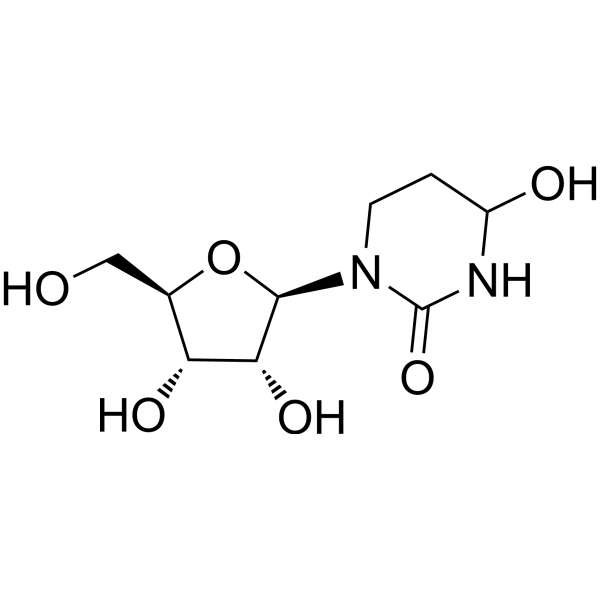 0 ImagesSynonyms: THU; NSC-112907Tetrahydrouridine dihydrate is potent inhibitor of cytidine deaminase (CDA), which competitively blocks the enzyme's active site more effectively than intrinsic cytidine.
-
Tubercidin
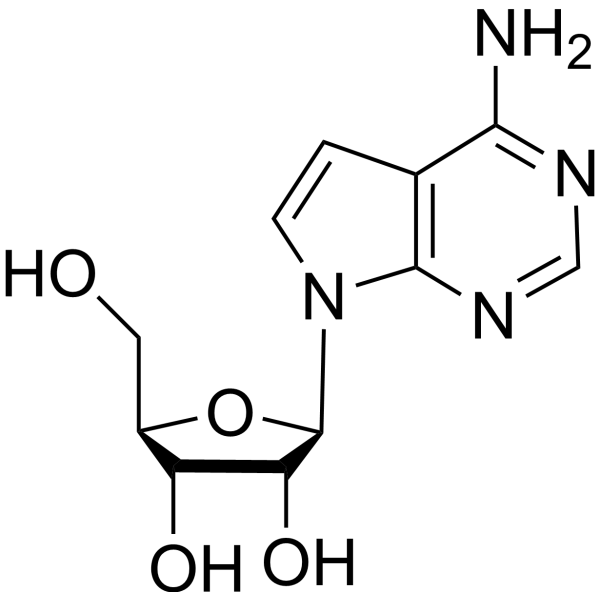 0 ImagesTubercidin (7-Deazaadenosine) is an antibiotic obtained from Streptomyces tubercidicus. Tubercidin inhibits the growth of Streptococcus faecalis (8043) with an IC50 of 0.02 μM. Tubercidin inhibits polymerases by incorporating DNA or RNA, thereby inhibiting DNA replication, RNA and protein synthesis. Tubercidin is a weak inhibitor of adenosine phosphorylase, and interferes with the phosphorylation of adenosine and AMP. Tubercidin has antiviral activity.
-
Triapine
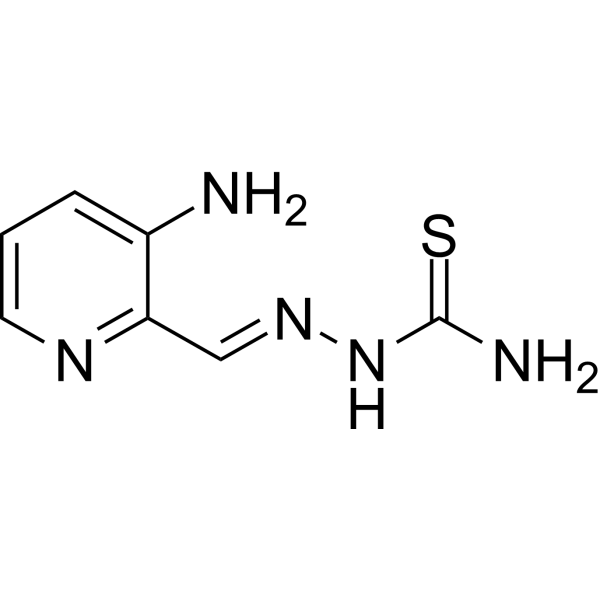 0 ImagesSynonyms: 3-AP; PAN-811; OCX191Triapine (3-AP; PAN-811) is a potent inhibitor of the M2 subunit of ribonucleotide reductase (RR), and is a potent radiosensitizer.
-
Alnodesertib
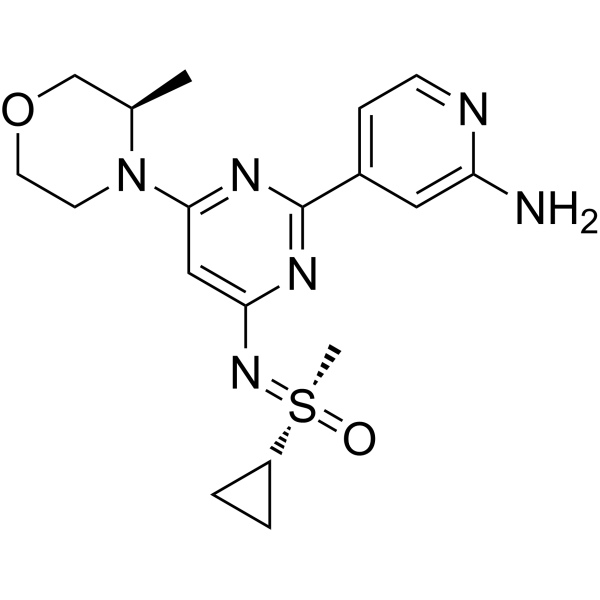 0 ImagesSynonyms: ART0380ART0380 is a potent, selective and orally active ATR kinase inhibitor. ART0380 potently inhibits human ATR-ATRIP complex with an IC50 of 51.7 nM. ART0380 binds the ATP pocket of the ATR-ATRIP complex, blocks ATR-dependent Chk1 serine 345 phosphorylation, and induces cell cycle disorder and DNA damage. ART0380 demonstrates potent and selective antitumor activity in preclinical models with varying types of ataxia-telangiectasia mutated (ATM) gene aberrancy. ART0380 can be used for the research of cancer, such as colorectal cancer and prostate cancer.
-
Levofloxacin hydrate
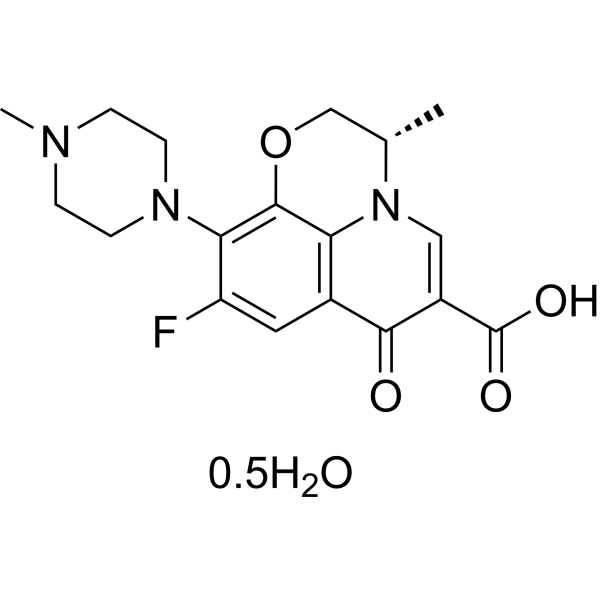 0 ImagesSynonyms: Levofloxacin hemihydrateLevofloxacin hydrate (Levofloxacin hemihydrate) is an orally active antibiotic and is active against both Gram-positive and Gram-negative bacteria. Levofloxacin hydrate inhibits the DNA gyrase and topoisomerase IV. Levofloxacin hydrate can be used for chronic periodontitis, airway inflammation and BK Viremia research. Levofloxacin hydrate shows anti-orthopoxvirus activity.
-
Pyrrothiogatain
 0 ImagesPyrrothiogatain is a transcription factor GATA3 inhibitor with an IC50 of 54.7 μM. Pyrrothiogatain inhibits the DNA-binding activity of GATA3 and inhibits the T helper 2 (Th2) cell differentiation and expression of Th2 cytokines. Pyrrothiogatain shows anti-infection effect by inhibiting ACE2 expression. Pyrrothiogatain can be used for the researches of inflammation, immunology, infection and cancer, such as colon cancer and SARS-CoV-2 infection.
-
Rifaximin
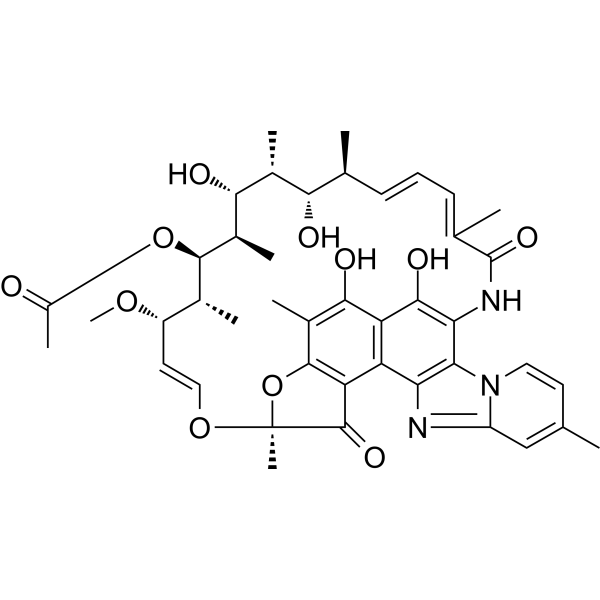 0 ImagesRifaximin, a gastrointestinal-selective antibiotic, binds the β-subunit of bacterial DNA-dependent RNA polymerase, resulting in inhibition of bacterial RNA synthesis. Rifaximin susceptibility is higher against Gram-positive strains (MIC: 0.03-5 mg/ml) compared to Gram-negative bacteria (MIC: 8-50 mg/mL).
-
Dirhodium tetraacetate
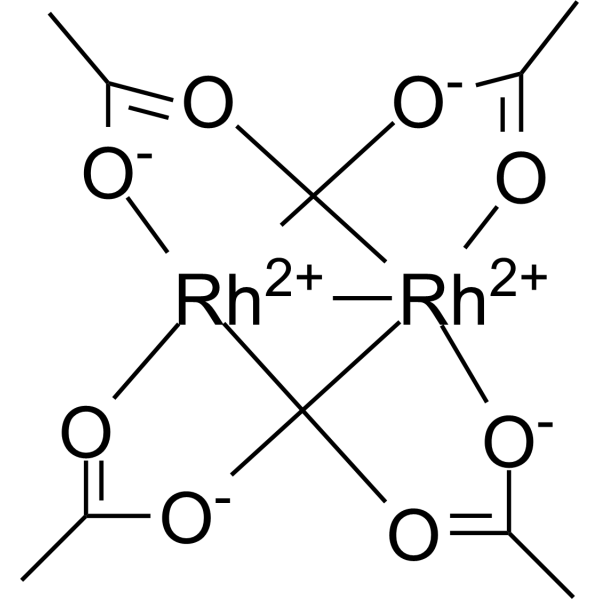 0 ImagesSynonyms: Tetrakis(acetato)dirhodium(II); Rhodium(II) acetate dimerDirhodium tetraacetate (Tetrakis (acetato) dirhodium (II)) is an anticancer agent. Dirhodium tetraacetate functionally inhibits the activities of DNA polymerase I and RNA polymerase. It also acts as a catalyst and can be used to construct rhodium-based artificial metalloenzymes.
-
TK216
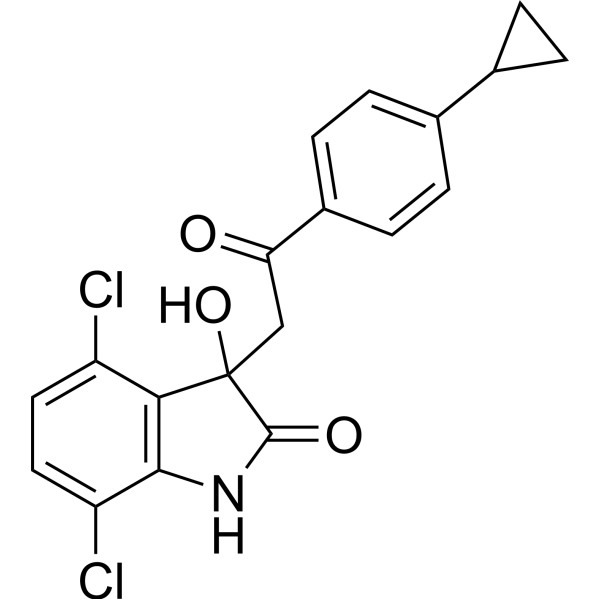 0 ImagesTK216 is an orally active and potent E26 transformation specific (ETS) inhibitor. TK216 directly binds EWS-FLI1 and inhibits EWS-FLI1 protein interactions. TK216 blocks the binding between EWS-FLI1 and RNA helicase A. TK216 has anticancer activity.
-
TAS-114
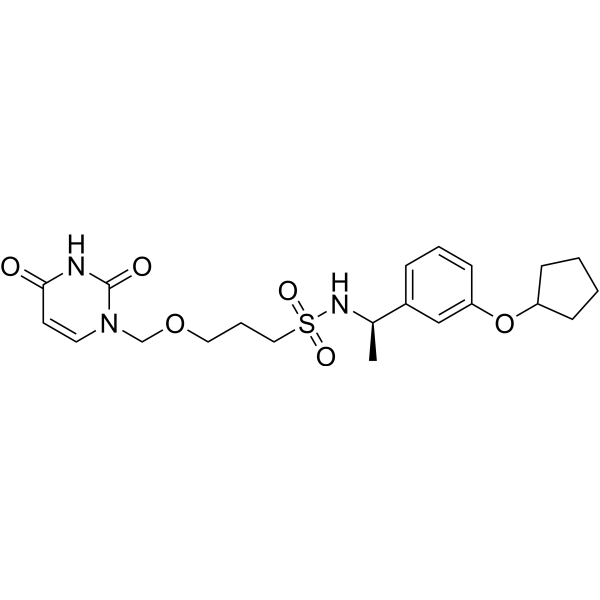 0 ImagesTAS-114 is an orally active dual dUTPase/dihydropyrimidine dehydrogenase (DPD) inhibitor, can improving the therapeutic efficacy of fluoropyrimidine.
-
PolQi1
 0 ImagesPolQi1 is a selective inhibitor targeting the Polθ domain of DNA polymerase. PolQi1 inhibits the Polθ-mediated microhomology end joining (TMEJ/alt-EJ) pathway, reducing insertion/deletion (Indels) and imprecise editing events during DNA repair. PolQi1 can enhance the efficiency and accuracy of homology-directed repair (HDR) or Prime editing, and reduce off-target effects; and in combination with DNA-PK inhibitor AZD-7648 (HY-111783), exert efficient genome editing capabilities with dual pathway regulation. PolQi1 can be mainly used in gene editing research (such as CRISPR-Cas9 or Prime editing system optimization) to improve the precision editing efficiency of difficult-to-edit cells (such as primary hepatocytes and mouse embryos).
-
O6-Benzylguanine
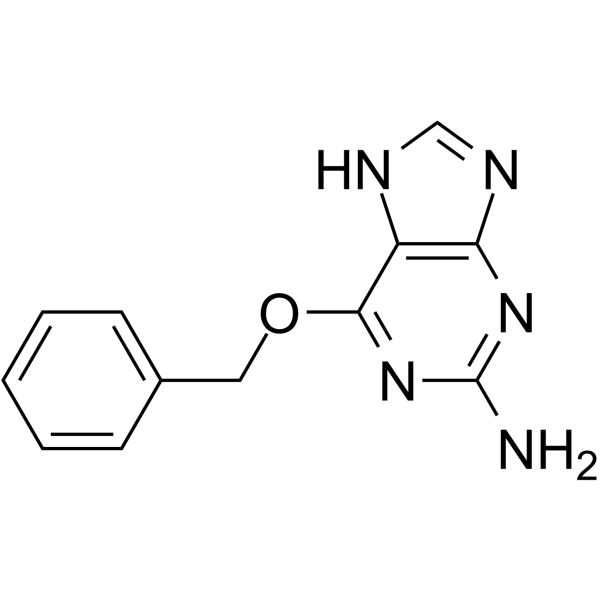 0 ImagesO6-Benzylguanine, a guanine analog, is the DNA repair enzyme O6-alkylguanine-DNA alkyltransferase (MGMT/AGT) inhibitor. O6-Benzylguanine acts as an AGT substrate, which transfers its benzyl group to the AGT cysteine residue, thereby irreversibly inactivating AGT and preventing DNA repair. O6-Benzylguanine induces tumor cell apoptosis. Antineoplastic activity.
-
Erenapurstat
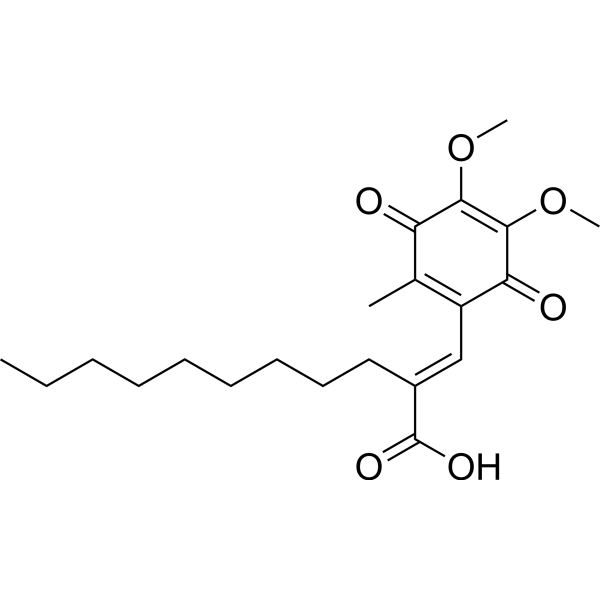 0 ImagesSynonyms: E3330; APX-3330Erenapursta (E3330) is a direct, orally active and selective inhibitor of Ape-1 (apurinic/apyrimidinic endonuclease 1)/Ref-1 (redox factor-1) redox. Erenapursta is able to impair tumor growth and blocks the activity of NF-κB, AP-1, and HIF-1α in pancreatic cancer. Erenapursta shows anticancer activities.
-
ICRF-193
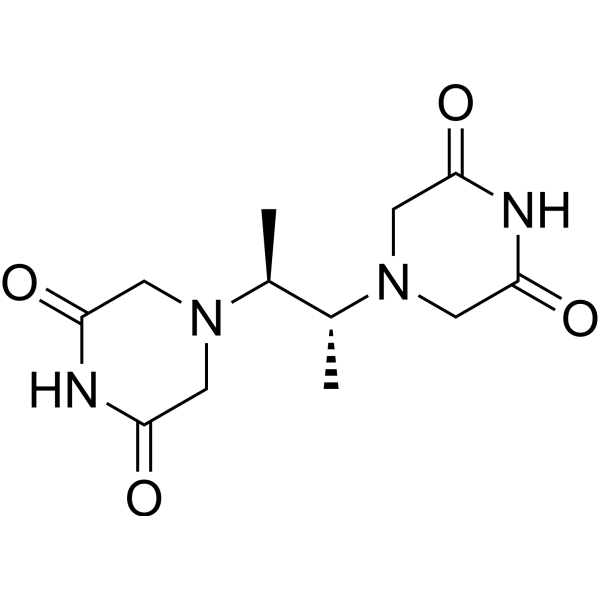 0 ImagesICRF-193 is a DNA Topoisomerase II inhibitor. (S,S)- and (R,R)-isomers ICRF-193 make up an racemic mixture, ICRF-196 (HY-118590A). ICRF-193 can inhibit DNA syntheses and induces apoptosis. ICRF-193 exhibits anti-cancer and anti-inflammation effects. ICRF-193 shows cardioprotective effect against anthracycline toxicity to cardiomyocytes. ICRF-193 can be used for the researches of cancer, infection, inflammation and cardiovascular disease, such as acute promyelocytic leukemia.
-
Pritelivir
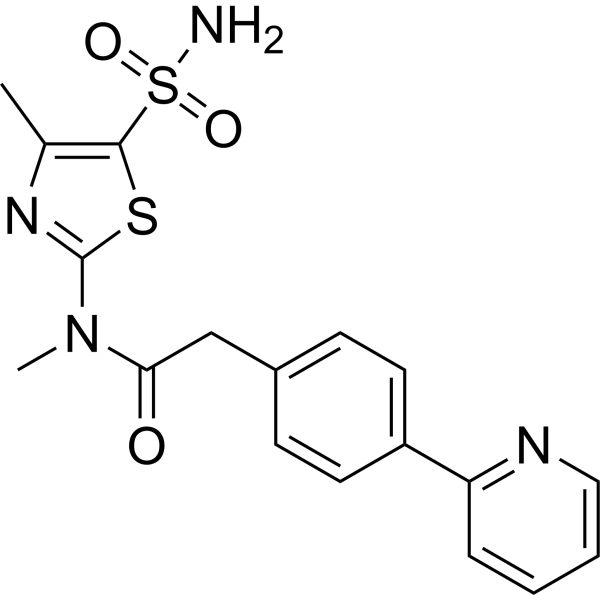 0 ImagesSynonyms: AIC316; BAY 57-1293
-
AGX51
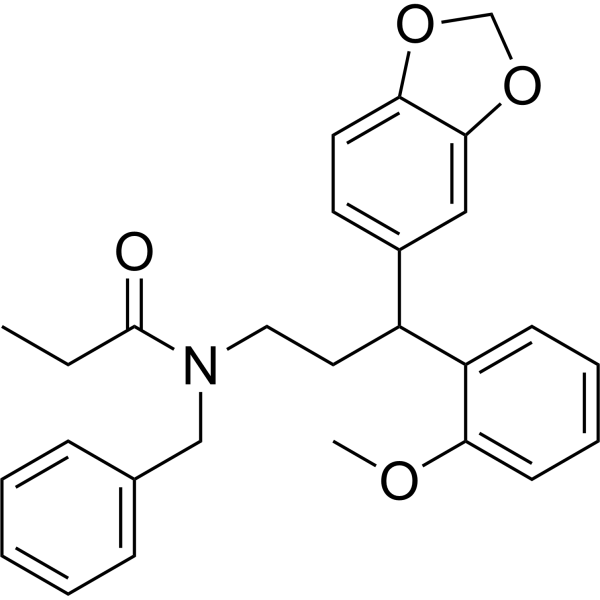 0 ImagesAGX51 is the first-in-class pan-Id (inhibitors of DNA-binding/differentiation proteins) antagonist and degrader. AGX51 inhibits Id1-E47 interaction, leading to ubiquitin-mediated degradation of Ids, cell growth arrest, and viability reduction. AGX51 can inhibit TNBC and has an IC50 of about 25 nM. AGX51 can be used in cancer research.
-
AVN-944
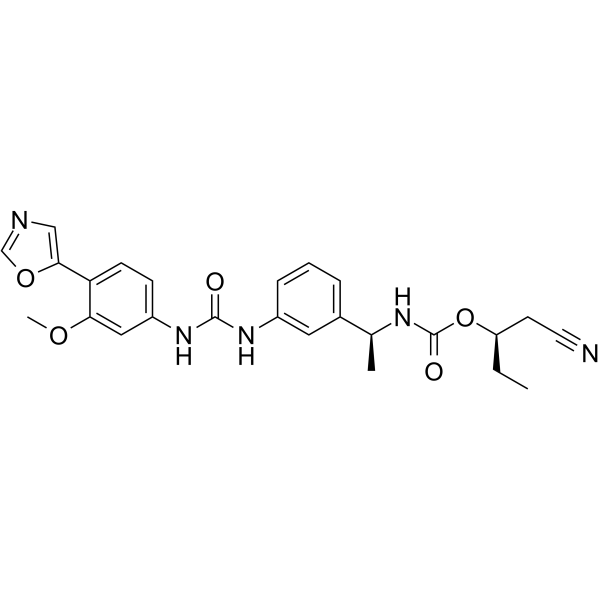 0 ImagesSynonyms: VX-944AVN-944 (VX-944) is an orally active, potent, selective, noncompetitive and specific inhibitor of IMPDH (inosine monophosphate dehydrogenase). AVN-944 is an essential rate-limiting enzyme in de novo guanine nucleotide synthesis. AVN-944 is also an inhibitor of arenavirus RNA synthesis, and blocks arenavirus infection. AVN-944 has broad anti-cancer activities, and can be used for multiple myeloma (MM) and acute myeloid leukemia (AML) research.




